
How Excessive Screen Time Is Affecting Our Daily Life
Think about how often you look at a screen each day. From the moment you wake up to the time you go to sleep, screens quietly follow you – phones, laptops, televisions, and tablets. What starts as convenience often turns into constant exposure. While technology supports modern life, excessive screen time is changing how we think, feel, sleep, and interact with others – often without us noticing. This article explores the real impact of excessive screen usage on daily life and why reducing screen time has become essential.
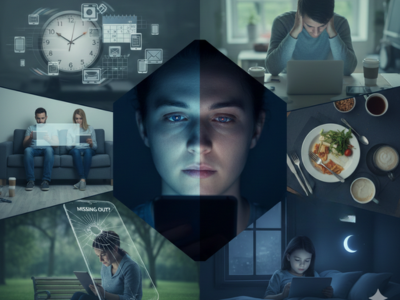
When Screen Time Becomes Too Much
Excessive screen time is not just about long working hours. It happens when screen usage continues even when it is no longer necessary.
Common examples include:
● Repeatedly checking the phone without purpose
● Scrolling through social media for long periods
● Using screens late at night
● Feeling uncomfortable being away from devices
Over time, these habits create mental and physical strain.
The Impact of Excessive Screen Time on Everyday Life
Loss of Mental Focus
Constant notifications and digital interruptions train the brain to switch attention frequently. As a
result, many people find it harder to concentrate on tasks, read for long periods, or stay present
during conversations
Emotional and Mental Fatigue
Endless information, updates, and comparisons can quietly increase stress. Excessive screen
exposure often leads to restlessness, irritability, and mental exhaustion – even during moments
of rest.
Disrupted Sleep Patterns
Using screens late in the evening keeps the brain alert when it should be winding down. Poor sleep affects mood, energy levels, and decision-making throughout the day.
Physical Discomfort
Spending long hours in front of screens may result in:
● Eye strain and dryness
● Headaches
● Neck and shoulder pain
● General tiredness
Lack of physical movement further adds to discomfort.
Reduced Quality of Relationships
Excessive screen usage can replace meaningful interaction. Conversations become shorter,
attention shifts away, and emotional connection slowly weakens – especially with family and
close friends.
Signs Screen Time Is Affecting You
You might need to rethink your screen habits if you:
● Feel uneasy when your phone is not nearby
● Check screens automatically during idle moments
● Feel tired even after a full night’s sleep
● Struggle to stay focused on simple tasks
● Prefer screens over real-life interaction
These are early signs of digital overload.
Why Reducing Screen Time Matters
Reducing screen exposure is not about avoiding technology – it’s about creating balance.
Healthier screen habits can help:
● Improve concentration
● Support better sleep
● Reduce mental stress
● Improve physical comfort
● Strengthen personal relationships
Small changes often create noticeable improvements within days.
How Rallivika Insights Supports Healthier Digital Habits
At Rallivika Insights, we go beyond general awareness by offering personalized Digital DetoxReports that help individuals understand their unique screen habits and create actionable plans
for healthier digital living.
What Makes Our Approach Different
Personalized Assessments
Each report analyzes individual screen usage patterns, highlighting areas where digital exposure may be affecting focus, sleep, or productivity.
Tailored Recommendations
Instead of generic advice, our reports provide custom strategies—such as bedtime routines, break schedules, or offline activity suggestions – designed to fit each person’s lifestyle.
Comparative Dashboards
Users can track progress over time, seeing how small changes in digital habits lead to measurable improvements in well-being.
Take the First Step Toward Better Digital Balance
Not sure how your screen habits are affecting you? Start with our Free Digital Detox Report to get a simple overview of your digital usage. If you want deeper insights, our Premium Digital Detox Report offers a detailed analysis with personalized guidance. Begin with awareness. Move forward with clarity.